Supplier vs. Distributor vs. Wholesaler: What’s the Difference?
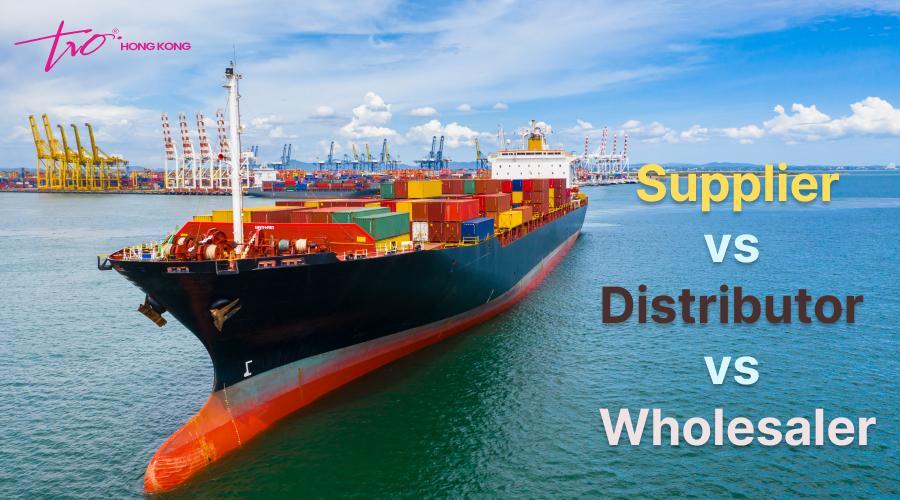
If your work is related to supply chain management in business, you must know the difference between suppliers, distributors and wholesalers. That will help you to manage product flow effectively in the market. You may be a manufacturer, retailer, or business owner. You can understand the difference between a supplier, distributor, and wholesaler. That will ensure smooth operations and help you make better decisions in the market. In this post, we will explain the difference between suppliers, distributors, and wholesalers. Let’s get started!
Supplier vs. Distributor vs. Wholesaler
What is a Supplier?
Suppliers are crucial entities in the supply chain system. They are businesses responsible for providing goods, services, or raw materials to manufacturers or wholesalers. The primary role of suppliers is to ensure the smooth operation of production processes. They provide the materials or parts that businesses need. In supply chain management, a supplier is a key entity that ensures the supply of goods, services, or raw materials.
What is a Distributor?
A distributor is a business entity that delivers products in bulk directly from manufacturers to wholesalers, retailers, or sometimes customers. FMCG distributors handle multiple tasks, not just distributing products. They have a strong team of distributors who ensure the management of marketing, sales, and after-sales support. Distributor companies distribute finished products from manufacturers to wholesalers. They can deal in food items, beverages, clothing, machinery, and many other items.
What is a Wholesaler?
A wholesaler is a business entity that buys goods in large quantities from manufacturers or distributors. And then sell them in smaller quantities to retailers or other businesses. They ensure that the products reach the market smoothly. Today, wholesalers support local stores, supermarkets, and online shops to order products in bulk. They help retailers to maintain large quantities of products in their stores.
Difference Between Supplier, Distributor, and Wholesaler
Let's talk about the main differences between a supplier, a distributor, and a wholesaler:
Role in the Supply Chain
Suppliers provide raw materials or finished products directly from manufacturing companies. Sometimes, manufacturing companies also act as supplier companies, performing both roles. They are the backbone of the entire supply chain process.
A distributor acts as a middleman between suppliers and wholesalers. That ensures smooth product flow in the market. They provide wholesale products to wholesalers and other businesses and effectively manage regional market distribution.
Wholesaler refers to the business unit that comes after the distributor in the supply chain management network. They purchase products in bulk from distributors or sometimes manufacturers. And resells them to retailers for local or commercial distribution.
Type of Products Handled
Speaking of suppliers, they primarily deal in raw materials, semi-manufactured goods, or essential production components. They maintain close relationships with manufacturing companies and assist them in creating final products. Their collaboration ensures consistent wholesale stock for manufacturers.
Distributors mainly work with distributing bulk products. They can have exclusive rights to distribute one brand or multiple brands, from durable and nondurable goods to wholesalers and other businesses. FMCG distributors handle finished, branded goods that they get from an FMCG company. Apart from that, they provide technical, logistical and promotional support to wholesalers and retailers.
Wholesalers deal in large quantities of consumer-ready goods. This primarily involves fast-moving retail products and wholesale trading activities. They bridge the gap between distributors and retailers. And also ensure consistent stock availability and better pricing to maintain a continuous sales flow.
Relationships and Contracts
Suppliers maintain long-term contracts with manufacturers or producers. They ensure consistent supply and stable production cycles. That ensures their strong relationship with manufacturing companies. The crucial role of the supplier empowers manufacturers to increase the flow of their manufacturing.
Distributors have the exclusive rights or regional agreements with manufacturers. They can market or distribute one or many brands in the market. They manage the handling, transportation and storage of the products. Their work includes specific territories in the world. They can act as a chocolate supplier and distribute products like Milka chocolate, Bounty chocolate, Twix chocolate and more.
Wholesalers maintain flexible and nonexclusive relationships with multiple distributors and suppliers. That gives them more freedom to deal with any product or brand. They mainly focus on purchasing and reselling goods for profitability.
Target Customers
Suppliers supply goods or new materials to manufacturers or large industries. They do not deal directly with wholesalers, retailers, or direct consumers. Their main function is to assist manufacturers or producers in the production process or assembly.
Distributors mainly work in selling products to wholesalers and large retailers. They ensure regular stock availability and timely delivery across assigned markets. They provide bulk orders to small and large wholesalers, retailers, supermarkets, restaurants, and many others.
Wholesalers target retailers, shop owners, or small businesses that look to buy products in bulk for local retail sales. Wholesalers ensure that they provide products in bulk and at cost-effective prices. Wholesalers can also deal with end consumers if they require products in bulk.
Why FMCG Distributors Are Still in High Demand
FMCG distributor companies are in high demand due to their ability to reach more markets quickly and efficiently. They manage the storage, transportation and timely delivery of products to retailers. They offer a wide range of products, including food items, beverages, personal care products, household goods and daily essentials. With their help, you can ensure that your brand reaches as many markets as possible quickly and efficiently.
They manage product storage, transportation, and timely delivery to retailers. They provide many demanding brands like Coca Cola, Monster Energy Drink, Twix, Bounty, Mars, Snickers, Red Bull, Nescafe, Pepsi, KitKat, and Hershey’s. Their experience in supply chain management and understanding of consumer demand make them essential for smooth business operations and consistent sales growth.
Bottom Line
Today, distributors, suppliers and wholesalers are all an important part of supply chain management. Suppliers deal in finished products or raw materials, while distributors distribute bulk products from manufacturers to wholesalers. Wholesalers offer products to smaller retailers and other businesses. All are an essential part of supply chain management. And their cooperative work ensures providing high-quality, premium, and safe products to final consumers. Today, if you want to get products in bulk, you can connect with an FMCG distributor company and get products in bulk.
Related Blogs

Buying Toblerone Wholesale in Hong Kong: Sizes, Origin and Lead Times

Hong Kong Buyers FMCG Import Checklist
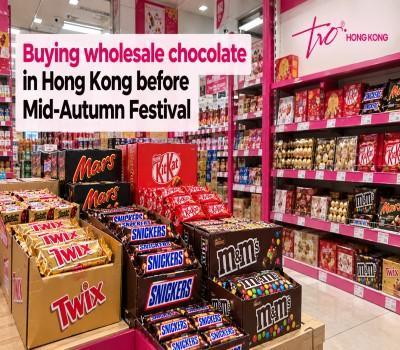
Buying Wholesale Chocolate in Hong Kong Before Mid-Autumn Festival

Why Energy Drinks Keep Winning Shelf Space in Hong Kong Convenience Stores

How to Open a Wholesale FMCG Account and Start Ordering in Hong Kong

Why are Exotic and Regional Snacks in High Demand Right Now?

How to Choose the Best FMCG Distributor in Hong Kong
.webp)
Takis, Pringles, Tim Tam & More: Best Snacks to Buy in Bulk
.webp)
Best Coffee Brands Available in Bulk from a Trusted Coffee Wholesale Distributor