Kinder Chocolate Export From Hong Kong: Heat and Shelf Life Planning

Heat and shelf life determine the sellability of a shipment of Kinder products. Chocolate can soften in warm conditions and develop a pale film known as fat bloom. The shelf-life clock continues to run while the cargo is being shipped, too. A Hong Kong based Kinder Chocolate Exporter needs to plan before the container is booked. This guide describes the re-export set-up, the impact of heat on chocolate, dry and reefer shipping and the dates and documents that buyers should check.
Why Hong Kong Works as a Re-Export Point for Kinder
Hong Kong is a free port. The Hong Kong Customs and Excise Department states that it does not levy customs tariffs on imports or exports. Excise duty is levied on only four items - liquor, tobacco, hydrocarbon oil and methyl alcohol. Confectionery is not on the list. That’s one reason traders use the city to consolidate and re-export Hong Kong cargo.
But being a free port does not mean all rules are lifted. Cargo is still subject to customs control and document checks. The destination country has their own import rules, labeling needs and duties. Buyers are required to abide by the rules of wherever the goods are re-exported from. If you are looking for a Chocolate Supplier in Hong Kong, ask about destination requirements at the beginning.
Buyers commonly ask for a few Kinder formats, but each product has different packaging, handling and date requirements. Check current availability with your supplier before planning an order.
The Kinder Lines Export Buyers Ask for Most
Kinder Bueno is a wafer bar and there is a common question about Kinder Bueno bulk orders. Kinder Joy is an egg-shaped candy that has a toy inside. Kinder Chocolate T4 and T8 are multi-bar packs, the number indicating the bars per pack. The lines vary in packaging and date details. Never assume the details of one product are the same as another.
Heat Is the Biggest Risk in Chocolate Export
Cocoa butter melts at relatively low temperatures. A hot warehouse or container yard can easily get to that point. Repeated heating and cooling can cause the fat to come to the surface of the bar. It is seen as a gray or white film. That doesn’t necessarily mean the product is unsafe. It looks bad and is shunned by shoppers. Heat damage is also easy to overlook. A carton may look fine on arrival after several hot days on the way.
Dry vs Reefer Containers
No cooling in a dry container. The inside temperature follows the weather and the sun on the steel roof. A reefer is temperature controlled and keeps a set range for the trip. Chocolate in a reefer container costs more to ship and needs power at ports and on board.
Not every Kinder shipment needs a reefer, and there’s no single rule. Which option is right depends on the product and the route. The season, destination, packaging and handling terms of your order all matter. An FMCG supplier can help buyers confirm the available shipping options, but the final handling and temperature requirements should be agreed in writing with your forwarder.
Loading Practices That Reduce Fat Bloom
- Do not expose cartons to direct sun and heat before loading
- If possible, load during cooler parts of the day
- First, inspect the container for any damage and moisture.
- Do not put cartons on hot ground or against hot walls
- Store as directed on the product
- No single temperature number should be taken as a universal limit.
- Follow the instructions for the product.
Shelf Life, Batch Dates and Destination Rules
The date on the pack is less important than how long it will last when it arrives. Importers require time to clear goods and warehouse them. Then a retailer needs time to sell. Things to check before you commit:
- Manufacture date
- Batch or lot information
- Remaining shelf life
- Transit time
- Seasonal demand
- Destination requirements
- Local labeling rules
As per current product information, the shelf life of Kinder Joy is approximately 7 months from manufacture. It may vary by market and by batch. Do not include the figure for Bueno or the bars. Request the date information for each SKU.
Some markets may have specific language required on the label or minimum remaining shelf life at import. Check this before you ship, not at the harbor. Mixed loads require the same care. When ordering a Kinder with a Kit Kat Bulk Supplier or Snickers Chocolate Distributor check each brand in the container for dates and heat requirements.
Documents a Kinder Exporter Should Provide
Paperwork depends on the product and the destination. An example order could be:
- Commercial invoice
- Packing list
- Certificate of origin
- Health certificate where required
- Product and labeling information
- Batch and date details where relevant
Not all documents are shipped with each shipment. Ask the customs broker of the importer what the destination requires. Then prior to ordering, provide that list to your supplier.
Why Choose Treasure Orbit Group?
Treasure Orbit Group is a trading and distribution company and a confectionery supplier, with offices in Hong Kong, Dubai, Spain, India and the USA. Our company has 30+ years of experience and has handled more than 7,500 containers. Our product categories are food, beverages, confectionery, coffee, personal care and household products. The FMCG company based in Hong Kong with a multi-market network and can assist buyers to review product availability and order requirements. Stock, shipping options and terms are confirmed on an order-by-order basis. Check the latest details on any Kinder line before you book a shipment.
Conclusion
Start with the product and SKU. Then confirm remaining shelf life and batch information. Settle the heat plan and the shipping method. Last of all, check destination rules and documents. Doing this early protects the product and your margin. For Kinder Chocolate Export from Hong Kong, a clear checklist saves more time than any shortcut, and your Kinder supplier can help you work through each step.
FAQs
1. Does Kinder chocolate need a reefer container for export?
Not necessarily. It is contingent upon the product and the route. Season, destination and packaging also count. Temperature control is used by many buyers in the hot months. Others ship dry in colder weather. Booking your shipping method? Agree with your forwarder first.
2. What is the shelf life of Kinder Joy?
Based on the current product information, Kinder Joy has approximately 7 months shelf life from the date of manufacture. It can vary by batch and by market. Ask your supplier for the date details on the exact stock you are going to purchase.
3. Can Kinder be shipped with other confectionery brands in one container?
Yes, often. Mixed loads are typical. Consider the storage requirements and shelf life of each item in the container. Items have different heat sensitivities. Verify destination labeling rules for each brand. Maintain clear paperwork.
4. Which documents come with a Kinder export order?
The documents depend on the product and destination. A commercial invoice and packing list are typical documents for an export order. Depending on the destination, you may also need a certificate of origin, health certificate, or batch and date information. Check the required document list with the importer’s customs broker before ordering.
Bio About the Author
Treasure Orbit Group is a Hong Kong-based FMCG distributor with a focus on FMCG sourcing, wholesale trade, chocolate products, and practical buying information for business customers.
Related Blogs

Buying Toblerone Wholesale in Hong Kong: Sizes, Origin and Lead Times

Hong Kong Buyers FMCG Import Checklist
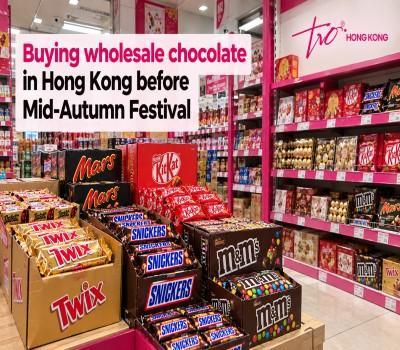
Buying Wholesale Chocolate in Hong Kong Before Mid-Autumn Festival

Why Energy Drinks Keep Winning Shelf Space in Hong Kong Convenience Stores

How to Open a Wholesale FMCG Account and Start Ordering in Hong Kong

Why are Exotic and Regional Snacks in High Demand Right Now?

How to Choose the Best FMCG Distributor in Hong Kong

Takis, Pringles, Tim Tam & More: Best Snacks to Buy in Bulk

Best Coffee Brands Available in Bulk from a Trusted Coffee Wholesale Distributor

